Your cart is empty
Tax included and shipping calculated at checkout

Drawer menu
Subtotal: $0.00
Tax included and shipping calculated at checkout

Early harvest olive oil is made from olives picked before they reach full ripeness. That timing can shape the oil’s flavor, aroma and yield—but it does not create a separate grade or guarantee a specific chemical profile.
Here is what early harvest means, what buyers can reasonably expect, and how to choose a bottle for the way you cook.
As olives ripen, their color, oil content and composition change. Producers choose a harvest window based on the cultivar, season, desired style and expected yield. The International Olive Council’s harvest guide treats maturity as one factor in identifying a suitable harvest time for quality virgin olive oil.
“Early harvest” describes timing. “Extra virgin” describes a grade that must meet applicable chemical and sensory standards. A bottle can be both early harvest and extra virgin, but the phrases do not mean the same thing.
Earlier-picked olives are often associated with a greener, more assertive style, including bitterness or a peppery finish. The exact result depends on cultivar, climate, fruit condition, milling and storage, so early harvest is a useful clue—not a flavor guarantee.
Less-ripe fruit generally produces less oil than fruit allowed to mature longer. That quality-versus-yield decision is one reason early-harvest oils can require more olives for each bottle.
Research shows that harvest maturity can affect phenolic composition and sensory characteristics, but the size and direction of the effect vary with cultivar and growing conditions. A peer-reviewed study of three olive varieties illustrates that variation. Without batch-specific laboratory testing, a seller should not promise a particular polyphenol level or medical outcome.
No single harvest date is best for every olive, producer or customer. Choose by intended use and taste:
Harvest date is useful information, but freshness after pressing also depends on packaging and storage. Keep olive oil tightly closed and away from heat and direct light.
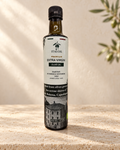
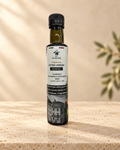
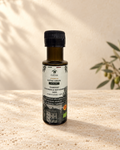
ITALOIL’s current offering is from the October–November 2025 harvest and is available in three sizes:
Shop ITALOIL by bottle size and choose the format that fits your kitchen. Free US Standard shipping applies to orders of $100 or more.
No. Bitterness and pungency can be normal positive sensory attributes, but taste alone does not establish grade, freshness or a specific polyphenol level.
No. Harvest timing can influence phenolic composition, but cultivar, season, growing conditions, processing and storage also matter. Only testing of the specific batch can support a numerical claim.
No. Early harvest describes when the olives were picked. Extra virgin is a regulated olive-oil grade. For a broader explanation of olive-oil categories, see the European Commission’s olive-oil overview.