Your cart is empty
Tax included and shipping calculated at checkout

Drawer menu
Subtotal: $0.00
Tax included and shipping calculated at checkout

DOP on an olive oil label refers to protected geographic origin—not simply a style, flavor, or general sign of quality. Here is what the term means, how it differs from “extra virgin,” and what to check before you buy.
DOP stands for Denominazione di Origine Protetta, the Italian wording for the European Union’s Protected Designation of Origin (PDO) scheme. The protection applies to a registered product name. For a PDO food, the production, processing, and preparation stages take place in the defined region and follow the registered product specification.
That makes DOP useful when origin and regional production methods matter to you. It is more specific than broad wording such as “Italian-style” or packaging that simply evokes Italy.
“Extra virgin” describes an olive-oil category governed by quality and sensory requirements. DOP describes a protected geographical name and its production specification. An olive oil can be extra virgin without carrying a DOP designation, and a DOP olive oil must also meet the rules that apply to the oil category shown on its label.
No single designation determines personal taste. DOP helps verify protected origin and specification compliance, while flavor can still vary by cultivar, harvest timing, milling, storage, and the characteristics defined for each protected name.
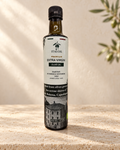
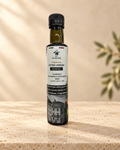
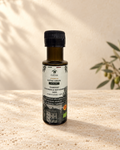
ITALOIL’s current October–November 2025 harvest is available in 100ml, 250ml, and 500ml bottles. Choose 100ml for tasting or gifting, 250ml for a smaller kitchen, or 500ml for more frequent cooking and finishing.
Shop ITALOIL’s current bottle sizes →
Yes. DOP is the Italian abbreviation; PDO is the English abbreviation used for the same EU protected designation scheme.
Yes. “Extra virgin” and DOP describe different things: one is an olive-oil category, while the other protects a registered geographical product name.
No. A product should not be treated as DOP unless it carries the protected designation for a registered name and meets that specification.